

The Strengths Trap: How Overplaying Your Strengths Harms Trust (Part II)
Part I of this blog described how over-emphasizing the trust-building factors in the Trust Equation without balancing your self-orientation can actually hurt your trustworthiness. It also identified many internal and external triggers that might increase self-orientation. In this post, we explore specific actions you can take to avoid over-playing your strengths. The Goldilocks Effect In […]
The Strengths Trap: How Overplaying Your Strengths Harms Trust (Part I)
Playing to our strengths can be seductive. We all want to feel we are presenting our best selves, and that naturally leads us to emphasize those things at which we excel. It’s often how we define our professional roles, our careers, even ourselves. Too Much of a Good Thing Some modern psychometric tools are built […]
Six Hacks to Get into the Trusted Advisor Mindset
In a recent TrustMatters webinar, I shared four key attributes of Trusted Advisor relationships, and six mindsets that can help you get there. You can view this and all our free webinar recordings here. For those of you who prefer to read versus watching a recording, here’s what we discussed. Four Attributes of Trusted Advisor […]
Talk To Us
Build deeper trust with your clients and colleagues

THE TRUSTED ADVISOR FIELDBOOK
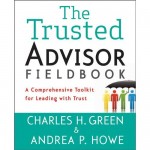 The pragmatic, field-oriented follow-on to the classic The Trusted Advisor. Green and Howe go deep into the how-to’s of trusted business relationships—loaded with stories, exercises, tips and tricks, and deeply practical advice.
FIND OUT MORE
TRUST-BASED SELLING
 “Sales” and “Trust” rarely inhabit the same sentence. Customers fear being “sold” — they suspect sellers have only their own interests at heart. Is this a built-in conflict? Or can sellers serve buyers’ interests and their own as well? The solution is simple to state, hard to live—and totally worth the effort.
THE TRUSTED ADVISOR
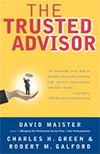 This classic book explores the paradigm of trust through the filter of professional services. It is a blend of thought and practice, clear ideas and practical suggestions, and it has found a place on many professionals’ working bookshelves.